
leia61v1605949
About leia61v1605949
Understanding Empty Legs in Private Aviation: Opportunities and Implications
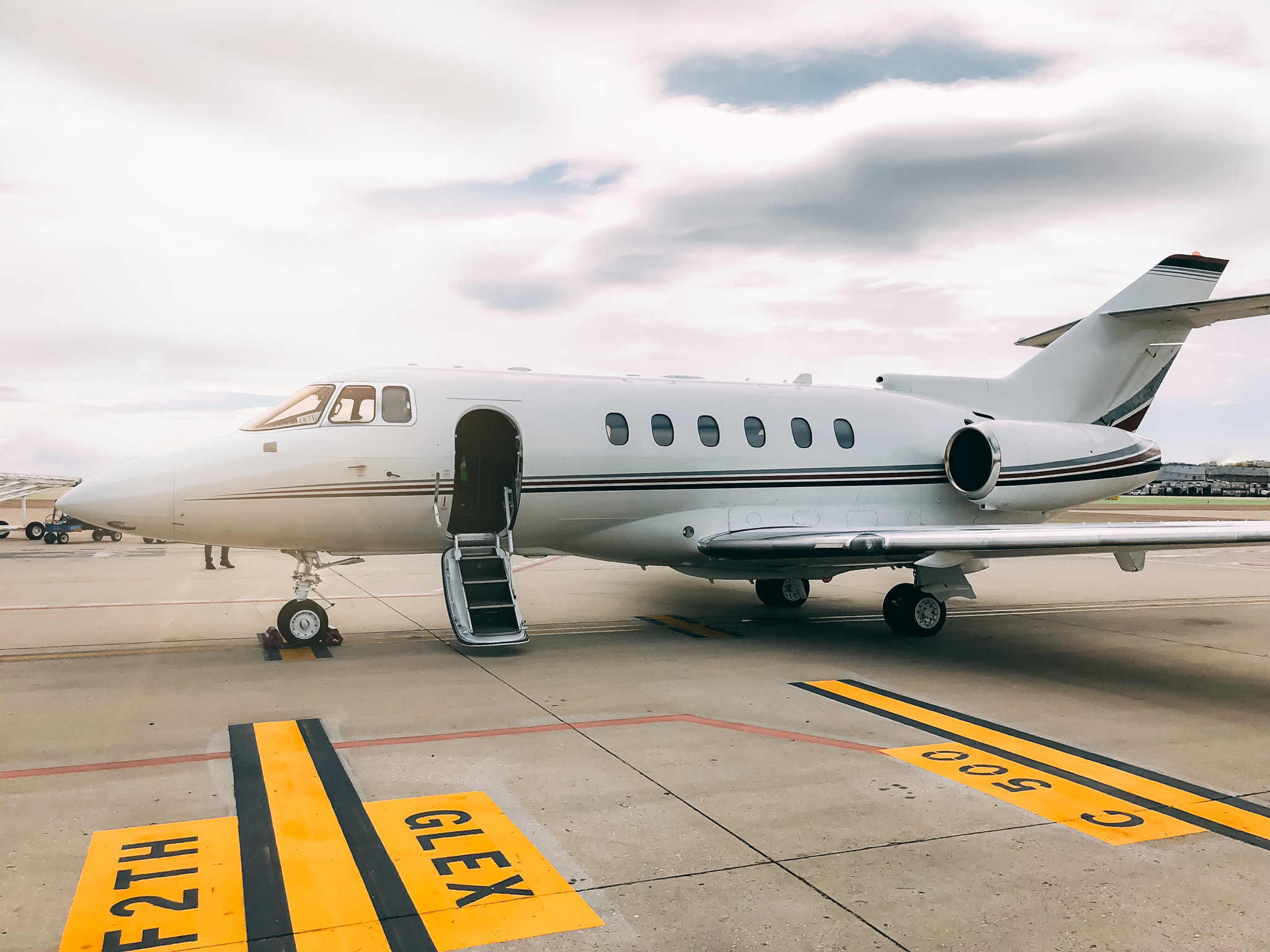
The private aviation industry has witnessed significant growth over the past few decades, with more individuals and businesses opting for private jet travel due to its convenience, flexibility, and time-saving benefits. However, a lesser-known aspect of this industry is the phenomenon of ”empty legs.” This article aims to explore what empty legs are, their implications for the aviation market, and how they can be leveraged by travelers seeking cost-effective private flight options.
What Are Empty Legs?
Empty legs, also known as ”deadhead flights,” refer to flights that are scheduled to fly without any passengers on board. This situation typically arises when a private jet is booked for a one-way trip, leaving the aircraft to return to its home base or travel to another destination without any passengers. For instance, if a jet is chartered to fly from New York to Los Angeles, the return leg may be unoccupied if no one has booked the jet for that route.
The Economics of Empty Legs
The concept of empty legs is rooted in the economics of private aviation. Private jet operators aim to maximize the utilization of their fleet. If you liked this information and you would like to obtain more information pertaining to affordable private jet charter company (https://privatejetcardreview.com/) kindly go to our web-site. When a jet flies empty, it represents a loss of revenue for the operator, as they incur operational costs such as fuel, crew salaries, and maintenance without generating income. To mitigate these losses, operators often offer empty leg flights at significantly reduced rates, making them an attractive option for price-sensitive travelers.
How Empty Legs Are Marketed
Empty leg flights are typically marketed through various channels, including specialized aviation brokers, online platforms, and directly through charter companies. These flights can be found on dedicated websites that aggregate available empty legs, allowing users to search for flights based on their desired routes and dates. Additionally, private jet operators may send out newsletters or alerts to their clients, informing them of upcoming empty legs.
Benefits of Flying Empty Legs
- Cost Savings: The most significant advantage of flying empty legs is the potential for substantial cost savings. Discounts on empty leg flights can range from 30% to 75% off the regular charter price, making private aviation more accessible to a broader audience.
- Flexibility: While empty leg flights are often less predictable than traditional charter flights, they still offer a degree of flexibility. Travelers can choose from a variety of routes and schedules, albeit with the understanding that these flights may not align perfectly with their original travel plans.
- Luxury Experience: Flying on a private jet, even at a discounted rate, allows travelers to enjoy the luxury and comfort associated with private aviation. This includes personalized service, spacious cabins, and the ability to bypass crowded commercial airports.
Challenges and Considerations
Despite the advantages, there are several challenges and considerations associated with empty leg flights:
- Limited Availability: Empty leg flights are not always available for every route or date. Travelers must be flexible with their travel plans and willing to adapt to the available options.
- Last-Minute Bookings: Many empty leg flights are announced shortly before departure, which may not suit travelers who require advance planning. This unpredictability can be a drawback for those with strict schedules.
- Potential for Cancellations: As empty legs are contingent on the original charter booking, there is a possibility that flights may be canceled if the primary passenger changes their plans. This uncertainty can be a deterrent for some travelers.
The Role of Technology
The rise of technology has significantly impacted the empty leg market. Online platforms and mobile applications have made it easier for travelers to search for and book empty leg flights. These technologies have also enabled operators to communicate available empty legs more efficiently, increasing the chances of filling these flights.
Furthermore, data analytics plays a crucial role in understanding market demand and optimizing flight schedules. Operators can analyze travel trends and adjust their offerings accordingly, ensuring that they can better meet the needs of potential customers.
Environmental Implications
As the aviation industry faces increasing scrutiny regarding its environmental impact, the concept of empty legs raises important questions. While flying empty legs can be seen as a waste of resources, it also presents an opportunity to promote more efficient use of aircraft. By filling these flights with passengers, operators can reduce the overall carbon footprint associated with private aviation.
Moreover, some companies are exploring ways to offset the emissions generated by empty leg flights through carbon offset programs. These initiatives aim to balance the environmental impact of aviation by investing in renewable energy projects or reforestation efforts.
Conclusion
Empty legs represent a unique aspect of the private aviation industry, offering both opportunities and challenges for travelers and operators alike. By understanding the dynamics of empty legs, travelers can take advantage of significant cost savings while enjoying the luxury of private jet travel. However, they must also be prepared for the inherent unpredictability and flexibility required when booking these flights.
As technology continues to evolve, the empty leg market is likely to become more streamlined and accessible, making private aviation an increasingly viable option for a wider audience. Ultimately, the successful navigation of empty legs can contribute to a more efficient and sustainable aviation industry, benefiting both travelers and operators in the long run.
No listing found.